Autumn Gear Guide
Find inspiration in our Gear Guide that will keep you out on your bike through wind or rain.
Download Now

These five cities are recognizing the bicycle as transportation and integrating bicycle travel as part of a comprehensive transportation system.

1. Copenhagen, Denmark
Population: 1.8 million
Bikeways: 137 miles (220 kilometers) of separated priority bikeways with a plethora of regional trails
Transit Network: 118 miles (190 kilometers) over nine lines of surface and separated metro rail with extended regional rail capacity.
Copenhagen is the poster child of urban cycling. 37 percent of trips taken in the city are on a bike. The city clearly has developed a cycling culture, even in a cold and wet climate. The Danes are notable for treating cycling as an everyday activity, dressing for the destination and carrying their children on their cargo bikes.
The conceptual form of the city, known as the “green fingers,” reflects the form of a human hand where the city core is the palm and the splayed-out fingers are the connections to suburban development. The gaps between each finger allow for green wedges of park and “wilderness” that can be visited from every neighborhood. Cycle Super Highways and a network of enhanced bikeways will further connect the city and include priority signaling as well as a bounty of other amenities. The fastidious Danes do not rest on their laurels as cycling royalty. The next stage of development is to increase the mode share of cyclists to 50 percent for the entire city, including the suburbs. Neither do they tackle cycling issues in a vacuum. Planning departments learn from neighboring and worldwide cities to achieve their local goals.
2. Freiburg, Germany
Population: 250,000
Bikeways: 250 miles (400 kilometers) of identified bikeways and trails
Transit Network: 16 miles (25 kilometers) over five lines of surface trams fed with an extensive bus system
Freiburg is known as an exemplary eco-city within Germany – already a bastion of green building and technology. The city has a strong connection to the surrounding Black Forest region and has developed as part of nature. The city has a car-free mentality, especially in its pedestrianized core. Suburbs like Vauban, near the urban edge, even have a policy limiting access for cars to utility service only, disallowing them into some neighborhoods.
Freiburg also has a series of hub bicycle stations at major network nodes and in the core, allowing people to switch to public transit or to securely park their bikes at no charge as they travel around the city.
3. Bogotá, Colombia
Population: 7.5+ million
Bikeways: 188 mile (303 kilometer) network of separated bikeways and paths, known as ciclorutas
Transit Network: Nine lines of bus rapid transit routes in 52 miles (84 kilometers) of dedicated lanes fed by a network of local buses
Bogotá’s extensive system in what is ostensibly a poor city is proof that vision, commitment and guts are what’s needed to make human-powered cities possible. The city emphasizes connecting people through superior public spaces. The network consists of city street-oriented bikeways connecting to bike parking and integrated into stations in the rapid transit network of large capacity bus-ways. The city is also known for ciclovías, regular enforced car-free days.
4. New York City, USA
Population: 8.5+ million
Bikeways: 335+ mile (539+ kilometer) network of painted bike lanes and paths, with a growing number being converted to separated bikeways (home of the world’s first bike path in 1894)
Transit Network: 22 lines of subway over 210 miles (337 kilometers) with surface buses and ferries
“No one drives in New York; there’s too much traffic.” Whether because of or in spite of that statement, collectively the Five Boroughs are often considered the most walkable city in America. There is a mode share of 21 percent walking and cycling, and transit is all but ubiquitous at 55 percent use. Although large and seemingly set in its ways, the city has undergone surprising changes recently. The new Department of Transportation commissioner has focused on pedestrian and cycling needs in places that have been long overlooked. Even Times Square and Prospect Park, among others, have been transformed, and streets have been given over to pedestrians and cyclist users. Under PlaNYC 2030, many of these initiatives will continue and be joined by a bike share system and more pedestrian-focused projects.
5. Vancouver, Canada
Population: 2.3 million
Bikeways: 174 mile (280 kilometer) network of bikeways and paths, and even more on-street routes throughout the region
Transit Network: Three lines of the SkyTrain light rail over 50 miles (64 kilometers), four rapid bus lines over 31 miles (50 kilometers) and a passenger ferry service, all fed by a regional bus and rail system
Vancouver is a city set in natural splendor. Cycling here has grown from a recreational activity to a transportation option. Even through the city is known for its livable density and downtown growth in jobs and population, there is still a long way to go to create an effective network of cycling infrastructure. TransLink, the regional transit authority, has installed infrastructure to allow bikes on the entire regional transit system. The mayor has challenged the city to become the greenest in North America and backed it up by creating major downtown bikeways and looking at expanding a system of shared access greenways. Just announced is a $6 million bike share program, but its success may depend on changes to the province’s helmet law.
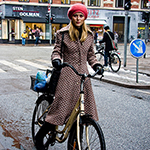 Winter Bike Fashion in Copenhagen
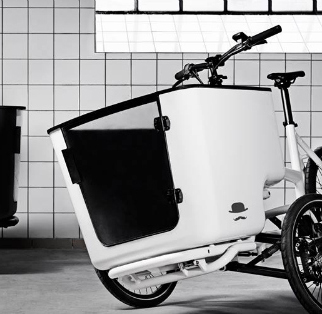 MK1 – Tilt-action Cargo Bike from Butchers & Bicycles
 North America vs. Europe: Who Has the Best Plan for City Bikers?
 Bicycle Anecdotes from Amsterdam – Streetfilms
 Goodordering Market Shopper Review
 5 tiny perfect bicycle handlebar bags for about town
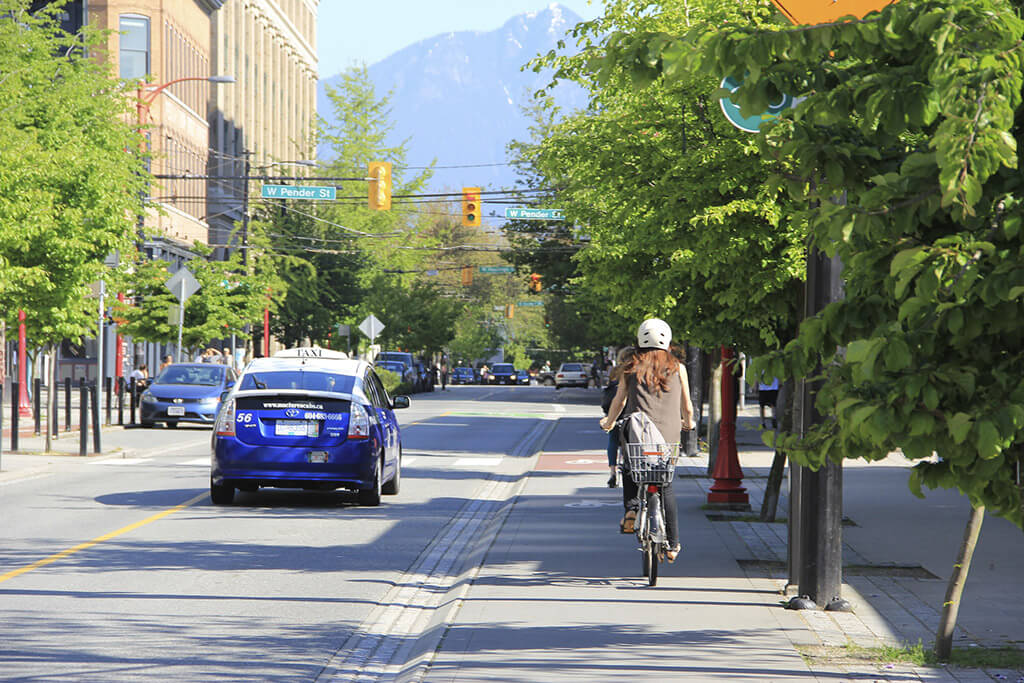 Vancouver Sets an Impressive Standard for Transportation Consultation
 Best Bicycle Documentaries on Netflix Right Now
Find inspiration in our Gear Guide that will keep you out on your bike through wind or rain.
Download Now

Leave a comment