Autumn Gear Guide
Find inspiration in our Gear Guide that will keep you out on your bike through wind or rain.
Download Now

In many jurisdictions, cyclists and other vulnerable road users who suffer losses at the hands of negligent motorists in motor vehicle collisions are forced to prove fault.

The Decade of Action for Road Safety began in 2011. It is a global plan conceived by the United Nations whose purpose is to “reduce the forecasted level of road fatalities by increasing activities conducted at national, regional and global levels.”
One of the five pillars of the plan is “post-crash responses,” which includes “effective legal response.” The UN wants jurisdictions around the world to create better legal systems to deal with road safety.
In many jurisdictions, cyclists and other vulnerable road users who suffer losses at the hands of negligent motorists in motor vehicle collisions are forced to prove fault. They must marshal the evidence to discharge this “onus of proof” on a balance of probabilities. The problem is that because of their injuries, cyclists often lack an accurate memory of what happened. Without a clear recollection, vulnerable road users are then put to the significant risk and expense of reconstructing the collision through experts. The cost of those post-accident investigations is borne by the cyclist, and if they cannot prove negligence they can face financial disaster.
A few bike-friendly jurisdictions have recognized the injustice to many innocent persons who lack the wherewithal to prove fault, and have reversed the onus of proof. In these jurisdictions, an example being the Netherlands, it is accepted that automobiles are dangerous, and the legal onus to disprove negligence is on the motorist and/ or its insurers.
Dr. Lionel Ireland suffered career-ending injuries in a bicycle collision on a two-lane asphalt surfaced roadway on Vancouver Island. He had no memory of events three days before and three days after the collision owing to a head injury and could only advance a theory as to what happened. He alleged that the defendant driver failed to pass him at a safe distance and that she was wholly liable for the collision. She and her passenger denied this claim, arguing that as they were passing Dr. Ireland, he turned to look to his left and steered his bike directly into the side of the car. Dr. Ireland retained an engineer to try to reconstruct the collision, but ultimately his case was dismissed because he failed to meet the ultimate onus of proof. The judge found that the physical damage to the vehicle was not inconsistent with the defendant’s version of events.
In my view any civilized system of law should require the operator of a motorized vehicle to disprove negligence after a collision with a vulnerable road user.
David Hay is a litigation lawyer and partner at Richards Buell Sutton LLP. He has a special interest in bike injury law and can be contacted at 604.661.9250 or dhay@rbs.ca.
 What is Love?
 Cyclepreneurs: DC Cycling Concierge
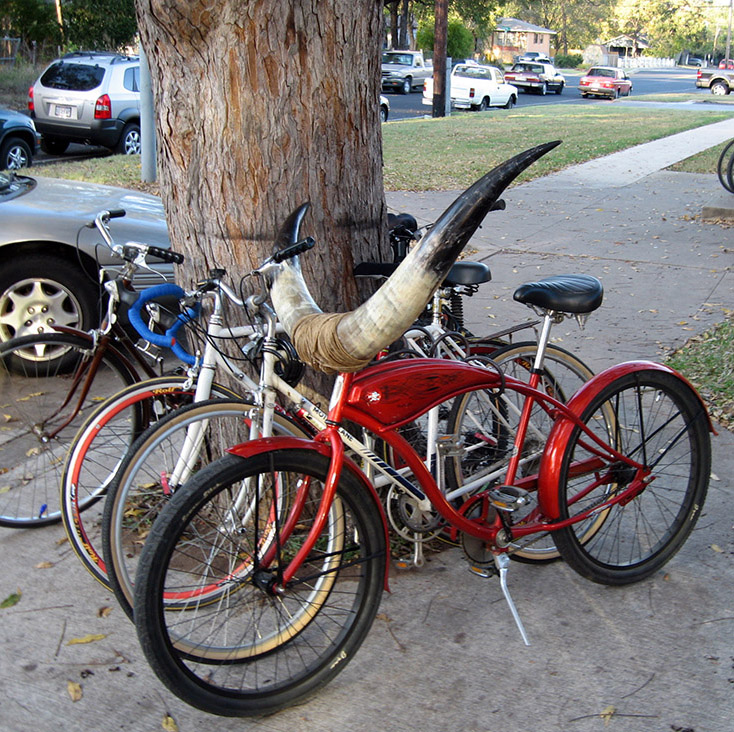 A Guide to Biking in Austin, TX
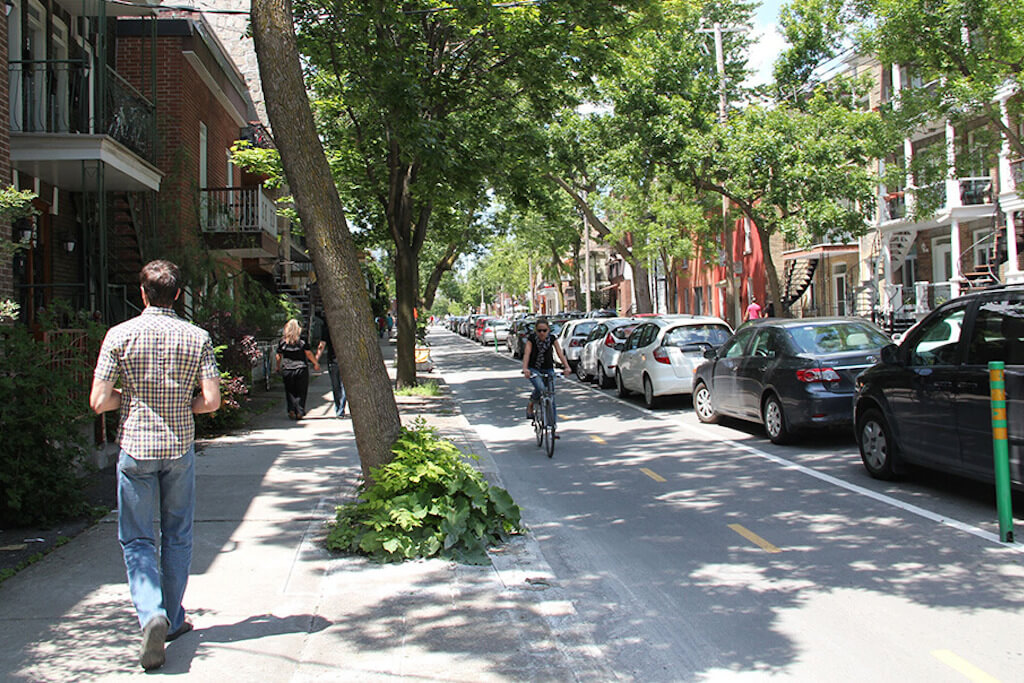 Rating the best bicycle cities and towns in America and beyond
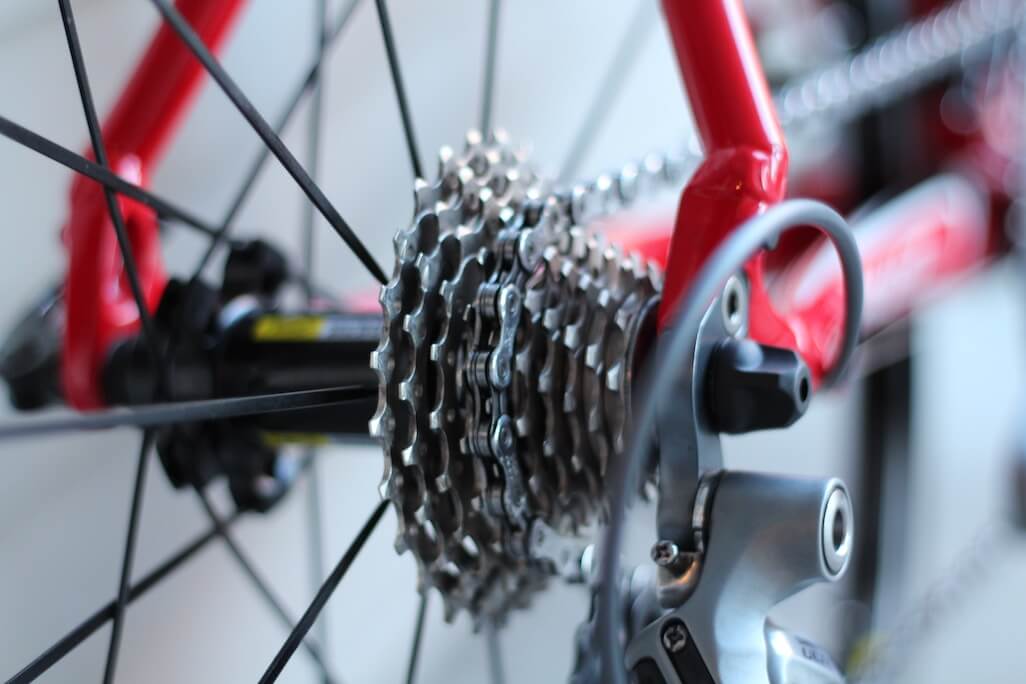 Here’s how to give your bicycle a spring tune-up and cleaning
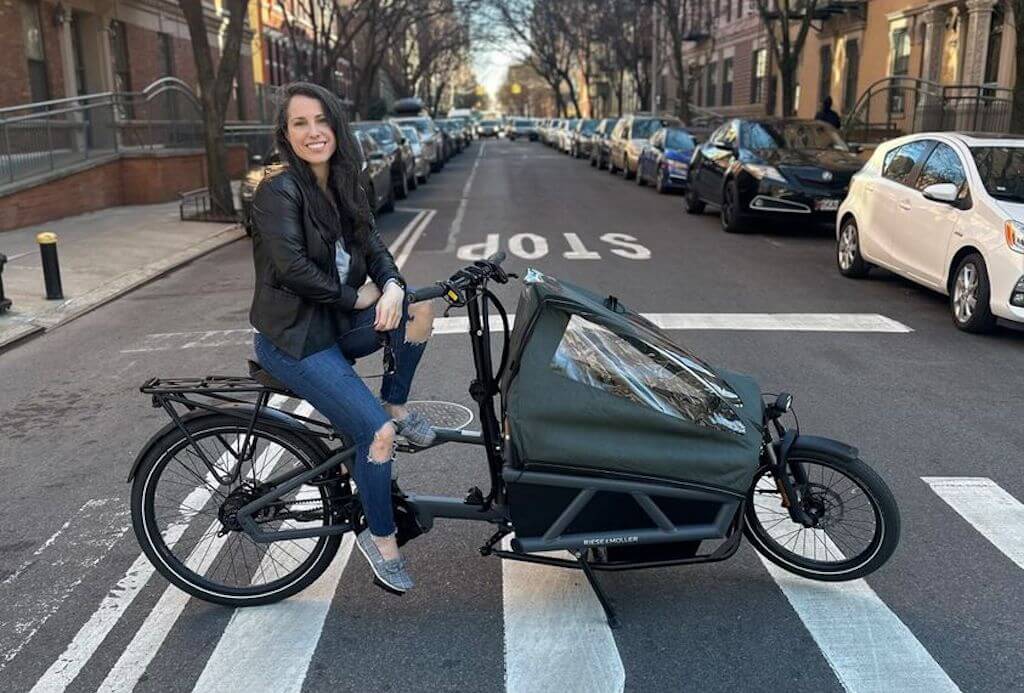 Cycle Chic: Getting to know NYC’s own Cargo Bike Momma and her bike style
 Linus Mixte 8 City Bike Review
 Ortlieb Downtown QL2 Pannier Review
Find inspiration in our Gear Guide that will keep you out on your bike through wind or rain.
Download Now





My gut feeling is that, for the foreseeable future, reverse onus of proof legislation will never be passed jurisdictions such as BC that remain very auto-centric. That being the case, more and more cyclists are now taking advantage of helmet or bike mounted miniature video cameras to create a record of any incidents, but are these really useful? What is the legal status of these recordings, under what circumstances or restrictions would they be considered admissible or relevant?
The idea seems like it is a good one, but without any knowledge of how these laws have performed, it’s hard to mount an effective opposition to the very real point that one should be presumed innocent first, rather than guilty (and liable)
Does anyone know what the results have been in the countries that adopted reverse onus?
Has the collision rates between bicycles and motor vehicles decreased?
Comments are closed.